 Power Banks

 Brother Printers


 IP PBXs



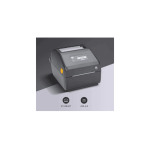
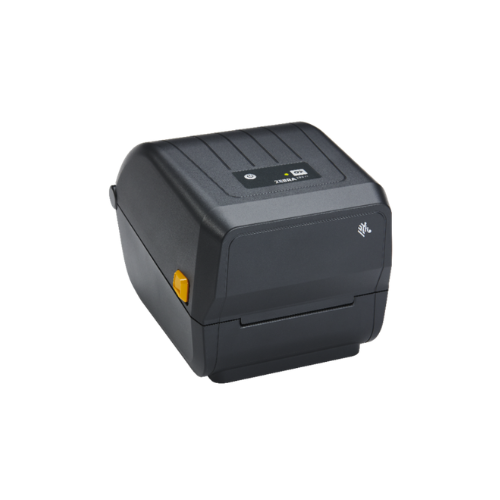

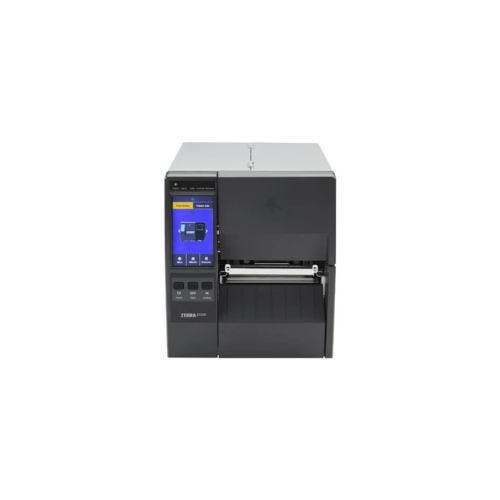
ZEBRA ZD230 Barcode Label Thermal Transfer Printer
Key Features
Brand: ZEBRA
Print Technology: Thermal Transfer (Requires ribbon for durable labels)
Print Resolution: 203 dpi (dots per inch)
Connectivity: USB, Ethernet
Durability: Produces long-lasting, scratch- and fade-resistant labels
Applications: Asset tagging, inventory, shipping, retail, product ID
Key Features: Barcode Label Printer, Thermal Transfer Printer, Desktop Label Printer, Zebra ZD230, Durable Label Printing, Compact Printer, Cost-Effective Labeling
1 Year Warranty
Ultimate Guide to Zebra ZD230 Thermal Transfer Desktop Barcode Label Printer
The Zebra ZD230 (Model: ZD23042-301C00EZ) is a highly reliable, budget-friendly 4-inch desktop barcode label printer engineered for retail, logistics, light manufacturing, and office workflows. Replacing the legacy GC420t series, this value-tier printing system balances affordable acquisition costs with durable industrial construction. It provides an efficient hardware framework that generates high-contrast shipping labels, product tags, inventory barcodes, and wristbands without breaking operational budgets.
Key Features and Specifications
This desktop label printer pairs core thermal transfer engineering with a simplified user setup profile.
-
- Dual Printing Capability: Supports both thermal transfer (utilizing an ink ribbon for long-lasting prints) and direct thermal (ribbonless) methods.
- 4-Inch Standard Print Width: Accommodates a versatile media print area up to 4.09 inches (104 mm) wide for universal logistics layouts.
- 203 DPI Printing Resolution: Outputs crisp text patterns and sharp 1D/2D barcodes to guarantee immediate processing by optical scanners.
- 5 IPS Throughput Speeds: Delivers rapid desktop performance by processing labels at speeds up to 5 inches (127 mm) per second.
- 300-Meter Ribbon Capacity: Houses massive industrial-length ink ribbons to drastically reduce user downtime and frequent roll-change steps.
- Single LED Status Indicator: Streamlines system diagnostics using an intuitive, multi-color physical indicator button for power and error tracking.
- Dual Clamshell Design: Features an OpenAccess structural layout that lets users open the device and swap media or ribbons effortlessly.
Thermal Transfer Durability and Operational Range
The Zebra ZD230 addresses label degradation problems by utilizing a highly versatile dual-mode media core. Standard direct thermal labels degrade, fade, or darken over time when exposed to sunlight, friction, moisture, or heat.
This model uses a heated printhead to melt resin or wax ink ribbons directly onto paper or synthetic stocks. This process creates high-contrast images that endure tough warehouse handling. Its fixed transmissive and reflective sensors read black marks, gaps, notches, and continuous rolls, allowing users to print on specialized materials like chemical-resistant polypropylene or freezer-grade tags without throwing errors.
Simple Plug-and-Play USB Setup Steps
Deploying your desktop thermal transfer printer into your active workspace takes only a few quick moments.
Physical Ribbon and Media Installation
-
- Pull the twin yellow release levers on the sides of the printer frame forward to unlock and swing open the clamshell lid.
- Fit your wax or resin ink ribbon roll onto the upper yellow spindles, threading the ribbon backing underneath the printing block to the rewind spindle.
- Spread the spring-loaded lower media hangers open and drop in your roll of raw labels, ensuring the printing surface faces straight up.
- Feed the front edge of the label roll beneath the adjustable yellow media guides, pulling the stock slightly out past the front tear bar.
- Press the printer lid firmly down until the side locks snap shut, then connect the external power supply cord to a standard wall outlet.
Host Software Matching
-
- Download and install the official Zebra Setup Utilities application onto your Windows desktop computer.
- Connect the packaged high-speed USB data cable into the rear interface slot of the printer and an open port on your computer tower.
- Turn on the printer power switch located next to the data ports; the system will illuminate its status panel during self-testing.
- Open the Zebra Setup Utilities tool to automatically pair the driver architecture, allowing you to configure custom label width variables and print a high-contrast test layout page.
Dynamic Software Customization and Controls
The system features useful software tuning options to streamline enterprise-wide deployments.
-
- ZebraDesigner Blueprint Tool: Use the free bundled design application to draw customized layout parameters, insert commercial graphic logos, and embed active numbering lines into your local label templates.
- One-Touch Printhead Optimization: Adjust the internal burning dark values, print speed thresholds, or printhead pressure metrics inside the system menu to prolong the physical lifespan of your heating elements.
Frequently Asked Questions
What is the primary difference between the Zebra ZD220 and the ZD230?
The ZD220 is Zebra’s absolute entry-level model, featuring a slower print speed of 4 IPS and offering strictly USB connectivity. The upgraded ZD230 increases printing throughput to a faster 5 IPS, supports a factory-installed Ethernet card configuration, and can accommodate advanced internal peeling or cutting modular accessories.
How do I choose between using wax, wax/resin, or pure resin ribbons?
Standard wax ribbons are ideal for standard paper shipping labels where basic smudge protection is needed. Wax/resin ribbons balance cost and durability, offering excellent resistance to chemicals and moisture on satin or glossy papers. Pure resin ribbons offer the highest grade of protection, engineering an indestructible bond on synthetic materials to survive outdoor weather, solvent washings, and cryogenic freezers.
Does the ZD230 support wireless printing or Ethernet connections?
The base retail model (ZD23042-301C00EZ) comes standard with a high-speed USB connection array. However, alternative specific factory configurations can be ordered that include built-in 10/100 Ethernet network connections or integrated wireless Wi-Fi and Bluetooth modules to support network deployments.
Yes, the printer is completely dual-mode capable out of the box. If you choose to run heat-sensitive, chemically top-coated direct thermal labels, you can completely omit the ink ribbon step; the printer will use raw printhead heat to generate your text layouts cleanly