 Power Banks


 Brother Printers


 IP PBXs



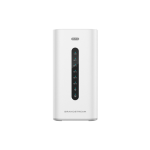
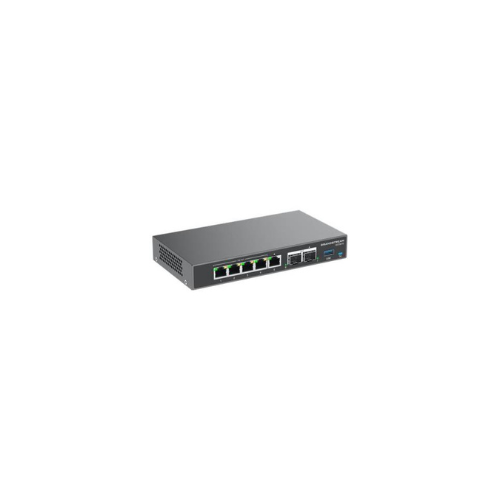

Grandstream GCC6010 Networking Gateway
Key Features
Brand: Grandstream
Ports: 5x Gigabit Ethernet, 2x 2.5Gbps SFP ports
PoE Output: 4x IEEE802.3af/at ports, 36W total
Router Throughput: 2.5Gbps
VPN Throughput (IPsec): 1Gbps
IDS/IPS Throughput: 900Mbps
NAT Sessions: 160K
1 Year Warranty
Grandstream GCC6010 Networking Gateway
The Grandstream GCC6010 is an all-in-one converged networking gateway designed to unify corporate communications, network security, and routing infrastructure into a single desktop or rack-mounted device. This hardware combines a high-performance router, a next-generation firewall, an IP PBX communication server, and a network switch. It functions as a centralized hardware node that eliminates the need for independent security appliances, telephone servers, and routers at branch offices or small-to-medium enterprises.
Hardware and Performance Specifications
The physical layout houses a multi-core processor capable of executing high-throughput packet routing, deep packet inspection, and real-time voice transcoding simultaneously.
Processing Power and System Memory
-
- Processor Architecture: Equipped with a multi-core ARM processor optimized for high-speed data switching and concurrent security tasks.
- Storage Capacity: Features built-in eMMC storage for system firmware, security logs, and local configuration backups.
Physical Port Array and Interface Layout
The rear and front interface panels contain multiple physical networking ports to manage separate local area networks, wide area networks, and direct peripheral hardware connections.
-
- WAN Interfaces: Built with 1x Gigabit SFP fiber port and 2x Gigabit RJ45 ports configured for wide area network connections, supporting load balancing and failover routing.
- LAN Interfaces: Features 5x Gigabit RJ45 ports for local network infrastructure distribution.
- Peripheral Ports: Includes 1x USB 3.0 port and 1x USB 2.0 port for external storage mapping, system recovery, or secondary cellular modem backups.
Unified Communications and IP PBX Functionality
Unlike standard network routers, the device contains a built-in telephony subsystem that functions as an independent, enterprise-grade private branch exchange server.
Capacity and Extension Limits
-
- User Registration: Supports up to 120 local extensions or system users out of the box.
- Concurrent Calling: Handles up to 20 simultaneous voice calls with hardware-based transcoding.
- SIP Trunking: Registers directly with external Internet Telephony Service Providers using standard Session Initiation Protocol parameters.
Built-in Voice and Collaboration Features
-
- Auto-Attendant: Features multi-level interactive voice response menus to guide inbound customer callers automatically.
- Call Recording: Allocates local storage space or network storage mapping to record inbound and outbound calls for quality tracking.
- Voicemail to Email: Automatically converts voice messages into digital files and forwards them directly to employee email addresses.
Enterprise Security and Firewall Capabilities
The integrated software layer operates as a next-generation firewall to protect the local enterprise network from external digital risks.
Network Protection Filters
-
- Deep Packet Inspection: Inspects network data packets at the application layer to block malware, ransomware, and unauthorized intrusions.
- Content Filtering: Allows administrators to block access to specific website categories, dangerous URLs, or productivity-draining applications.
- Access Control Lists: Enforces strict network traffic rules based on internal IP addresses, media access control codes, or user groups.
Virtual Private Networking
- VPN Protocols: Supports high-speed secure tunneling protocols including OpenVPN, IPSec, and WireGuard.
- Remote Connectivity: Allows remote office branches and home-based employees to access internal file servers and applications safely