 Power Banks


 Brother Printers


 IP PBXs



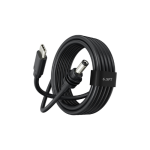
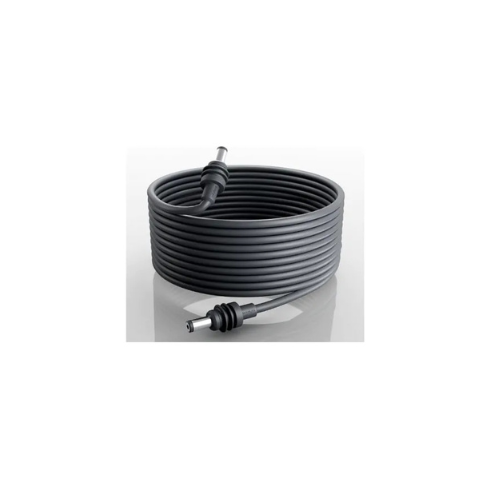

Starlink Mini DC to DC Cable
Key Features
Brand: Starlink
5 meters (16.4 feet) length for flexible dish positioning
USB-C PD input for convenient laptop or power bank powering
Proprietary waterproof DC output compatible with Starlink Mini
Supports up to 100W PD with low voltage drop over distance
Durable, UV-resistant jacket for travel and outdoor reliability
1 Year Warranty
Starlink Mini DC to DC Cable
The Starlink Mini DC-to-DC Cable delivers raw, unconditioned power transmission and continuous grid stability optimized for custom RV builders, overland expedition trucks, marine vessels, and remote telecommunication hubs. Designed as a direct link between a centralized DC distribution panel and the terminal, it bypasses the need for consumer wall bricks or portable USB-C blocks entirely. By feeding clean battery current over a rugged, outdoor-rated line, it establishes a reliable power workflow for field-grade communication setups
Starlink Mini DC to DC Cable
-
- Native DC Pass-Through: Facilitates a pure, direct electrical pathway between your DC battery banks and the terminal without intermediate conversion blocks.
- Low-Resistance Core Architecture: Built with thick-gauge internal copper conductors to prevent the voltage attenuation that often causes remote systems to reset.
- Sealed Marine Ingress Protection: Outfitted with a custom-molded, factory-keyed DC barrel connector with a compression silicone gasket to guard the dish port from mud and water shorts.
- Direct Panel Integration Ready: Typically features pre-stripped pigtail leads or standardized terminal ends on the input side for easy wiring into marine fuse blocks or breaker panels.
- All-Weather Armored Shielding: Encased inside a heavy-duty, UV-stabilized, oil-resistant outer jacket designed to tolerate continuous temperature shifting and rough field deployment.
- Zero RF Interference Signatures: Optically and electronically insulated to ensure the high-amperage DC power delivery doesn’t leak electrical noise into sensitive communication or radio gear.
Technical SpecificationStarlink Mini DC to DC Cable
| Feature | Engineering Specification |
|---|---|
| Product Model | Starlink Mini Native DC-to-DC Power Cable |
| Available Lengths | Typically distributed in 5.0m (~16ft) or 15m (~50ft) configurations |
| Conductor Gauge Matrix | 14 AWG to 16 AWG Heavy-Duty Pure Copper |
| Input Voltage Window | 12 VDC to 48 VDC (Determined by regional terminal models) |
| Target Operational Input | Clean, regulated DC power matching Starlink Mini internal specs |
| Maximum Current Capacity | Supports up to 5.0 Amps continuous load routing |
| Interface Input Connection | Bare Pigtail Wires / Standardized DC Anderson Powerpole / Barrel |
| Interface Output Connection | Starlink Mini-Keyed Waterproof DC Barrel Plug (Male) |
| Weather Ingress Sealing | IP67 Rated (When fully seated into the terminal bay) |
| Thermal Operating Window | -30°C to +80°C (-22°F to 176°F) |
High-Utility Operation Capabilities
1. Optimization of True Off-Grid Energy Conservation
Traditional portable setups require a vehicle battery to feed an inverter to create 220V AC power, which the standard Starlink power brick converts back down to DC power. This multi-stage process wastes up to 30% of your energy as heat. The direct DC-to-DC cable arrangement leaves out the inverter conversion altogether, allowing your overlanding battery array or solar bank to operate much longer on a single charging cycle.
2. Micro-Resistance Line Attenuation Control
Long copper cables run the risk of dropping voltage over distance, causing connected equipment to reset under peak data transmission or automated heating loads. By upgrading the core structure to high-density 14–16 AWG pure copper wiring, this line reduces resistance significantly. It carries power smoothly over its length, satisfying the terminal’s energy needs while keeping power delivery cool and efficient.
3. Sealed Mechanical Integration for Field Use
The output barrel plug features an structural design keyed to the specific angled power track on the underside of the Starlink Mini. Pushing the plug into place engages a friction lock and compresses a synthetic rubber ring against the housing walls. This seals the connection, keeping out rainwater, morning dew, and blowing sand to prevent electrical short circuits during continuous outdoor use.
Frequently Asked Questions
- Can I wire this cable directly onto a raw, unmonitored 12V car battery?
While the cable will pass the current, connecting it directly to a raw vehicle battery is not recommended without safety components. Ensure you route the line through a dedicated 5A fuse block and check your Starlink Mini model’s input voltage requirements—some setups require a stable 20V to 48V source and need an inline DC-to-DC regulator to boost a standard car battery’s 12V output - Is this DC-to-DC cable compatible with the larger Starlink Gen 2 or Gen 3 (V3) home dishes?
No. This accessory features a specialized barrel connection size and power profile built exclusively for the compact, integrated architecture of the Starlink Mini. The larger home models use entirely different high-wattage Power over Ethernet (PoE) wiring schemes and cannot interface with this DC cable. - Can I use this cable to transfer data between the dish and my laptop?
No, this is a dedicated power routing line. The internal architecture is wired solely to handle power transmission and voltage negotiation protocols; it does not contain the dedicated high-speed data pairs needed to pass local network traffic. - How should I protect this cable during outdoor vehicle routing?
While the outer jacket resists moisture and UV degradation, pulling the cable through automotive wire loom or flexible conduit is highly recommended for exterior roof runs or undercarriage paths. This routing protects the internal copper cores from gravel impact, sharp metal chassis edges, and friction wear during travel.