 Power Banks


 Brother Printers


 IP PBXs



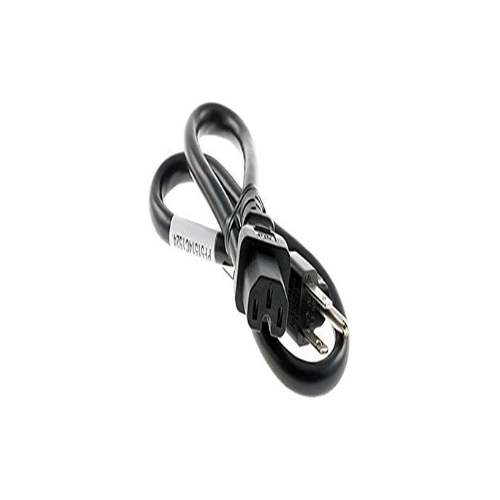
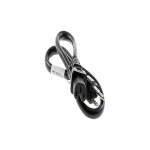

Cisco Standard Power Cord
Key Features
Brand:CISCO
Connector Gender Male-to-Female
Voltage 125 volts
Plug Format Type B
1 Year Warranty
Cisco Standard Power Cord Enterprise Guide
A Cisco Standard Power Cord is an enterprise-grade electrical power cable engineered to establish highly secure, continuous AC power distribution for high-density network switches, routers, firewalls, and server chassis. This robust hardware component integrates heavy-duty copper conductor infrastructure, specialized molded connector plugs, and international safety certifications into a flexible, resilient cable jacket. It optimizes data center infrastructure by eliminating loose electrical connections, preventing unexpected power outages, and maintaining strict compliance with commercial facilities guidelines.
Product Overview and Target Audience
This essential data center power component caters specifically to infrastructure engineers, network administrators, IT procurement officers, and data center facilities managers. It resolves the common operational friction of intermittent hardware reboots caused by loose generic cables, mismatched voltage ratings, and non-compliant server rack cabling configurations. By balancing flexible routing mechanics with thick internal safety insulation, it operates as a dependable link between localized power distribution units and mission-critical network equipment. Whether supplying energy to a massive core switch array, an edge branch router, or a high-performance storage bank, this hardware integrates smoothly into modern server racks.
Electrical Architecture and Performance
Optimized Current and Voltage Delivery
This commercial power cable system delivers full wire-rated current capacity simultaneously without generating internal heat bottlenecks during heavy hardware utilization. The baseline North American configuration typically carries a standard rating of ten to fifteen amperes at one hundred and twenty-five to two hundred and fifty volts. It couples this high electrical safety margin with pure copper internal conductors to maintain rapid, stable current delivery and prevent localized voltage drops across long server cabinet lines.
Standardized Connector Configurations
The physical cable layout is engineered with international standard equipment plugs to fit seamlessly into industry-standard network power inputs. The hardware most frequently utilizes an International Electrotechnical Commission C13 receptacle on the equipment end, matching the standard C14 inlets found on the back of most Cisco switches and routers. The power wall-plug end varies from standard regional three-prong utility plugs to specialized twist-lock or specialized C14 configurations built for smart power distribution units.
Rugged Cable Jacket Engineering
The physical exterior layout incorporates a thick thermoplastic or rubberized outer jacket designed to resist cracking under extended operational heat cycles. The internal cabling paths easily accommodate tight bends around mounting rails without stretching or tearing the copper core. This heavy-duty insulation easily manages temperature variances inside crowded hot-aisle containment zones, preventing the jacket from melting or causing short circuits over long deployment periods.
Sustainability and Commercial Cost Savings
Minimized Power Losses
This framework utilizes premium low-resistance electrical connections to prevent energy leaking off as excess ambient heat. The tight-fitting connector pins fit perfectly into the equipment power socket, stopping localized electrical arcing and reducing structural degradation. This automated thermal control prevents unnecessary cooling utility waste while locking in highly competitive corporate operational cost metrics across large-scale deployments.
Exceptional Mechanical Lifespan
The internal conductor links and outer stress-relief boots are built from industrial-grade raw materials engineered to survive repetitive plugging cycles during network maintenance schedules. The device boasts an exceptional mechanical durability metric to ensure continuous electrical uptimes without requiring regular replacement parts. This mechanical reliability protects initial structural infrastructure investments from premature physical failure
Corporate Data Protection and Facility Safety
Fire Retardant Conductor Shielding
Advanced fire-retardant outer plastics cover the inner wires to block electrical fires and prevent dangerous toxic smoke incursions. The system utilizes standardized testing regulations to verify individual jacket flame-spread resistance, preventing a localized electrical short from traveling across dense cable trays to other network equipment.
Secure Connection Locking Mechanisms
The system architecture accommodates optional locking sleeve modifications to establish rock-solid physical connections inside high-vibration equipment rooms. This specialized locking configuration protects the core infrastructure from unexpected manual disconnections when technicians move nearby network patches, keeping business operations online continuously
Technical Specifications
-
- Connector Profiles: Standard IEC C13 female receptacle to regional male wall plug
- Conductor Material: Heavy-duty multi-strand pure copper wire internal cores
- Jacket Classification: Standard commercial thermoplastic moisture-resistant insulation
- Current Capacity: Ten to fifteen amperes maximum operational capacity standard
- Voltage Rating: One hundred and twenty-five to two hundred and fifty volts certified
- Safety Certification: Underwriters Laboratories and international regulatory approvals
Frequently Asked Questions
What is the primary benefit of using a genuine Cisco power cable over a generic cord
Genuine Cisco cables use exact-specification copper gauges and tight-fitting custom molds to prevent loose connection reboots, ensure proper electrical grounds, and maintain full hardware warranty compliance.
What is the most common connector type used on Cisco network switches
Most standard Cisco switches use the standard IEC C13 receptacle which locks into the matching C14 inlet built on standard internal power supply modules.
Can these commercial cables be deployed inside hot aisle containment zones
Yes the heavy-duty thermoplastic jackets are built and tested to withstand the elevated ambient temperatures found behind high-density server rack arrays.
Are there options available for connecting directly to rack power distribution units
Yes Cisco provides specialized cabinet patch cords featuring C13 to C14 connections designed to bridge the short gap from a switch to an adjacent power strip without creating messy cable slack