 Power Banks

 Brother Printers


 IP PBXs



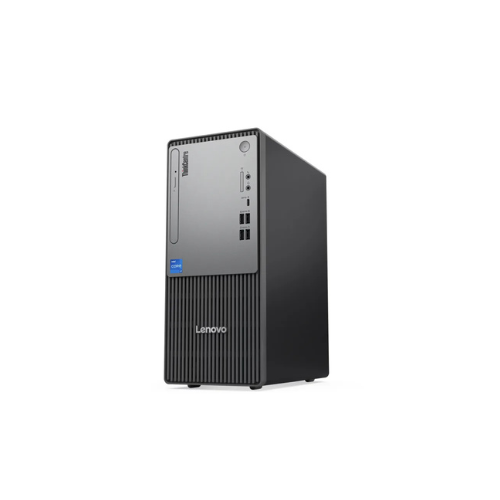

Lenovo ThinkCentre neo 50t Gen 5 Tower Intel Core i7 14700 8GB DDR5 5600 Up to 64GB Support 512GB SSD M.2 2280 PCIe 4.0×4 NVMe Opal 2.0 No OS – 12UD009XUM
Key Features
Brand: Lenovo
Processor : Intel Core i7-14400
Memory : 8GB DDR5
Storage : 512GB SSD
Graphics : Integrated Intel UHD Graphics 730
Operating System : No OS
1 Year Warranty
Lenovo ThinkCentre Neo 50t Gen 5 Review: A Professional High-Scalability Desktop Workstation
The Lenovo ThinkCentre neo 50t Gen 5 Tower delivers an exceptional balance of raw processing power, hardware longevity, and enterprise-grade scalability. Equipped with an elite 14th Generation Intel Core i7 processor, high-frequency DDR5 memory architecture, and an expandable storage layout, this traditional tower desktop handles heavy data analysis, spreadsheet management, and multitasking workloads efficiently.
What makes this specific configuration a powerful computing asset is its traditional chassis design paired with future-proof hardware slots. It integrates a flagship-tier enterprise processor alongside modular expansion lanes designed to prevent hardware obsolescence. This structural flexibility means the system can grow to meet expanding data processing requirements, converting a standard business desktop into a high-capacity enterprise data workstation.
This review evaluates the hardware profile for managing demanding professional tasks, local databases, and enterprise software configurations.
Key Hardware Specifications
-
- Processor: Intel Core i7 14700 14th Generation, up to 5.40 GHz, 20 Cores, 28 Threads
- Memory: 8GB DDR5 5600MHz RAM upgradeable up to 64GB total via modular slots
- Storage: 512GB SSD PCIe 4.0×4 NVMe
- Operating System: No OS Allows for clean, custom operating system installation
- Form Factor: Expandable Tower Business Desktop
Hardware Analysis for Advanced Professional Workflows
Complex data tracking and enterprise resource management require desktop-class hardware capabilities to prevent performance slowdowns during multi-tab operations and large data queries.
Desktop Processing Efficiency
The Intel Core i7 14700 processor utilizes a desktop-class hybrid architecture featuring 8 Performance cores and 12 Efficient cores. Operating with higher power limits and thermal headroom than laptop processors, this desktop chip sustains peak processing speeds during long computing cycles. The performance cores handle resource-heavy operations like executing technical system calculations or running local database environments, while the efficient cores manage background tasks to preserve system responsiveness.
Expandable Memory Capacity
This model includes 8GB of high-frequency DDR5 5600MHz RAM. The motherboard architecture supports a maximum 64GB capacity upgrade across modular slots. This high memory ceiling allows users to scale up system resources, running multiple local servers, data analytics suites, and complex software tools concurrently without interface lag
PCIe 4.0 NVMe Storage
The 512GB solid-state drive operates on the high-speed PCIe 4.0×4 NVMe standard. This standard-size hardware interface ensures fast read and write speeds alongside easy drive replacement options. It accelerates desktop boot times, large file transfers for system backups, and database loading speeds during offline testing.
Tower Form Factor and Expansion Room
The traditional tower configuration provides excellent passive and active cooling, keeping internal components performing at peak levels under load. The interior layout offers clear physical space for future expansion drives, dedicated graphics cards, and additional interface ports.
Optimizing the Environment for Peak Performance
Shipping with No OS allows technical users to deploy a clean software environment free of pre-installed factory bloatware or background trial applications.
Installing a clean copy of Windows 11 Pro or a preferred Linux distribution ensures that 100 percent of system resources are allocated to production work. The absence of manufacturer telemetry scripts and background security software increases overall processing efficiency.
Browser Optimization for Web Applications
Modern web applications use heavy JavaScript to process real-time analytics reporting within administrative interfaces. For optimal performance:
-
- Use Chromium Engines: Google Chrome, Brave, or Microsoft Edge offer the best compatibility with modern web applications.
- Enable Hardware Acceleration: Activating this setting allows the integrated Intel UHD graphics platform to render complex visual data charts smoothly.
- Activate Tab Discarding: Utilize native browser memory management features to hibernate inactive tabs and conserve system RAM.
Local Server Environment Configuration
When using local development stacks to test software configurations, this hardware platform serves as an ideal host. Upgrading the system RAM past the base 8GB allows users to allocate significant memory directly to local development environments to execute database queries quickly.